
Guide · Oct 12, 2026
Ubiquinol vs. Ubiquinone: Is the Pricier Form of CoQ10 Worth It?
What separates the two forms of CoQ10, what absorption studies found, and what "high absorption" on a label really means.
By the Consumer Sun editorial team · Last updated
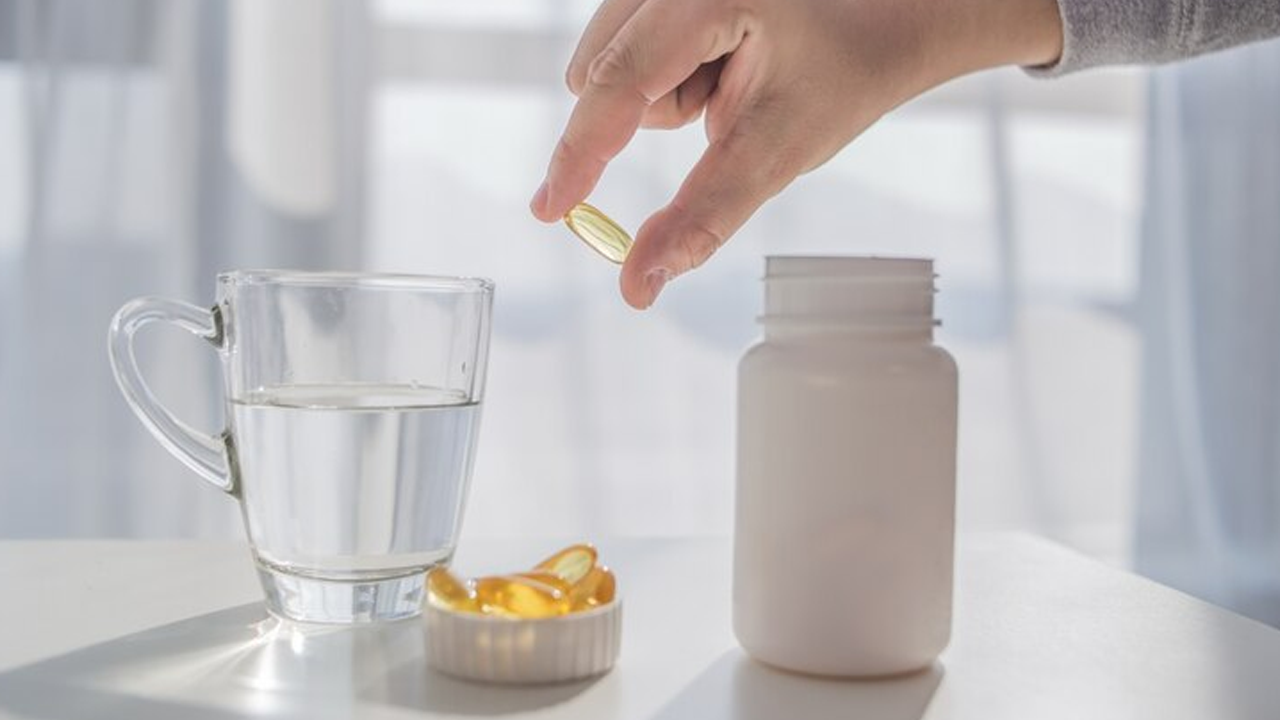
CoQ10 comes in two forms, and the price gap between them can be large. Ubiquinol is often sold as the "active" or "high-absorption" version. This page explains what the difference is, what studies have found, and when paying extra makes sense. It combines our earlier posts on ubiquinol and high-absorption CoQ10.
Two forms of the same molecule
- Ubiquinone is the oxidized form, the one in most supplements and the cheaper option.
- Ubiquinol is the reduced form, which is what mostly circulates in the blood.
Your body converts one into the other constantly, so taking ubiquinone does not mean you miss out on ubiquinol. The real question is how much CoQ10 ends up in your bloodstream from a given product.
What the absorption studies show
Some short studies found that ubiquinol raised blood CoQ10 levels more than the same amount of ubiquinone. Others found that the formulation (oil versus powder, the carrier oil and the particle size) made as much difference as the form. Most of these studies were small, short and often funded by ingredient makers.
The fair summary is this: ubiquinol may absorb somewhat better, but a well-made ubiquinone softgel can close much of the gap. Neither form has been shown to give better health results in long-term trials.
What "high absorption" on a label means
There is no standard definition. On labels it can refer to:
- ubiquinol instead of ubiquinone
- an oil-based softgel instead of a dry capsule
- a branded delivery system such as a water-soluble or "solubilized" CoQ10
- an added ingredient such as black pepper extract (piperine)
Each of these can help, but the phrase on its own proves nothing. Look for which of these the product actually uses, and whether the brand cites a published study of that specific formula.
Stability
Ubiquinol oxidizes when exposed to air, so it is nearly always sold in sealed softgels. Store it as the label directs and don't buy more than you will use before the expiry date.
Which should you buy?
- Price-conscious or just starting: an oil-based ubiquinone softgel is the sensible default.
- Already taking ubiquinone with no noticeable effect, or advised by a clinician: ubiquinol is a reasonable thing to try.
- Avoiding animal products: check the capsule. Most softgels of either form use gelatin.
It is often said that older adults convert ubiquinone poorly and so need ubiquinol. That idea is popular, but it has not been well established.
Compare by price per 100 mg either way. The method is in CoQ10 Supplements: How to Choose One.
Related guides
Frequently asked questions
Is ubiquinol better than ubiquinone?
Some short studies found ubiquinol raised blood levels more; others found formulation mattered as much. Neither has been shown to give better health results in long-term trials.
What does high-absorption CoQ10 mean?
There is no standard definition. It can mean ubiquinol, an oil-based softgel, a solubilized formula or an added ingredient such as piperine.