
Guide · Oct 22, 2026
Blueberry recalls: current notices and how to check fresh and frozen berries
Blueberries are recalled in both the produce aisle and the freezer case — usually for hepatitis A or Listeria in frozen bags, and for the parasite Cyclospora in fresh clamshells. Here is how to match the berries you own to a notice, and why washing cannot make a recalled berry safe.
By Michael Gonzales · Last updated
Current status
1486 food recalls in the current federal dataset. Most recent: Lidl US: Coffee & Vanilla Gelato with Coffee Sauce & Cookie Pieces (Oct 17, 2026).
Data as of Oct 22, 2026, 8:53 AM EDT · Browse all food recalls
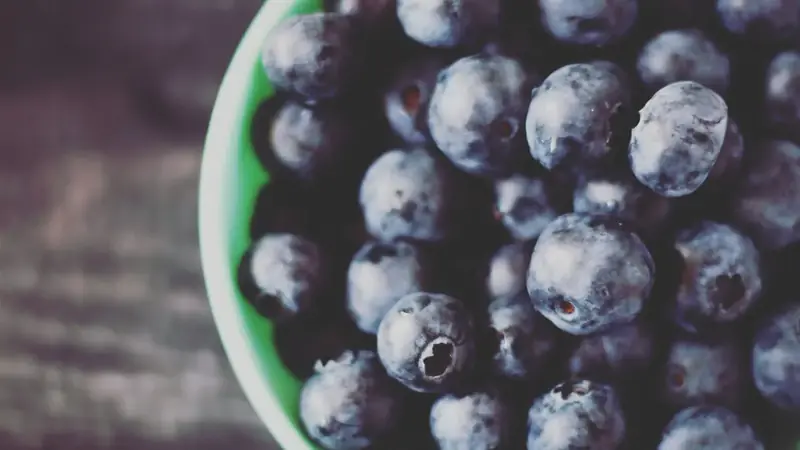
Why this page stays up
Most recall pages are written for a single event and go stale. Blueberries are different: the same handful of hazards keeps coming back, in the same two places — fresh clamshells in the produce aisle and frozen bags in the freezer case. This page is the standing reference. When a new notice lands, the live list above is where it appears; everything below is how to read that list and check the berries already in your kitchen. For the wider picture, see food recalls and our guide to checking any product you own.
Why blueberries get recalled
Four hazards account for nearly every blueberry recall FDA has posted. Each has a documented pattern, and the pattern tells you which form of berry it threatens.
Hepatitis A — the frozen-berry virus. Frozen berries are eaten raw, straight into smoothies, and there is no cooking step to kill a virus. Contamination typically arrives with an infected harvest or packing worker, often on imported fruit. In 2013, Townsend Farms' frozen Organic Antioxidant Blend — a berry mix sold at Costco and Harris Teeter — was linked to at least 49 hepatitis A illnesses in seven states. A decade later, the same playbook played out with a neighboring fruit: FDA and CDC traced a 2023 hepatitis A outbreak to frozen strawberries from a single farm in Baja California, Mexico, genetically matching a 2022 outbreak in fresh strawberries from the same farm. FDA's standing advice in that investigation is the template for every virus recall since: do not sell, serve, or eat the product — throw it away.
Listeria — the frozen-berry bacterium. Listeria monocytogenes survives freezer temperatures, so freezing is no protection. In June 2025, Alma Pak International recalled about 400 boxes of organic blueberries after routine testing found Listeria; FDA upgraded the recall to Class I — its most serious grade — on July 1, 2025. In February 2026 the pattern repeated at industrial scale: Oregon Potato Company's Willamette Valley Fruit arm recalled roughly 55,700 pounds of frozen blueberries over possible Listeria, again graded Class I. That one moved in 30-pound cases and 1,400-pound totes to food manufacturers rather than store shelves — a useful reminder that some recalls never touch retail, and the ones that matter to you are the ones that name a store brand.
E. coli — the 2026 lesson. In the summer of 2026, frozen organic blueberries supplied by Frutas y Hortalizas del Sur of Chile were linked to an E. coli O145 outbreak: 17 illnesses in Florida and Georgia, six people hospitalized, no deaths. The recall began on July 3 with one lot of Publix's GreenWise blueberries, widened to every lot by July 29, and kept expanding into the fall as traceback work found the same fruit in Walmart's Great Value bags and a Trader Joe's berry blend. CDC closed its investigation on September 21, 2026 — but the recalled bags carry best-by dates into 2028, which is why the checking steps below matter long after a headline fades.
Cyclospora — the fresh-berry parasite. On fresh fruit, the recurring name is Cyclospora cayetanensis, a parasite spread through contaminated water or handling that causes an intestinal illness treated with antibiotics. In June 2021, Dole recalled fresh blueberries in 6-ounce, pint, 18-ounce and 24-ounce clamshells for potential Cyclospora contamination, distributed in Illinois, Maine, New York and Wisconsin and two Canadian provinces. No illnesses were reported — FDA posts recalls on potential contamination too, and a recall with no sick count is still a recall.
How to check fresh blueberries
Fresh berries come in clear clamshells, and everything you need is on the label:
- Start with the brand and the sticker. Note the brand name and any grower or country-of-origin label on the clamshell. Notices name the brand first.
- Find the lot code on the top label. In the Dole recall, FDA specified the lot code as a series of numbers printed in black inkjet on the top label of the clamshell — sometimes printed across the label's wording, so look closely.
- Match the pack date and UPC as well. Dole's notice identified its berries by clamshell size, UPC, pack-out date and lot code together. One matching field is not a match; all of them are.
- Act on shelf life, not memory. Fresh berries spoil in days, so a fresh recall usually matters only if you bought the fruit within the last week or two — or froze it yourself. Home-frozen berries from a recalled clamshell are still recalled berries.
How to check frozen blueberries
Frozen bags are where old recalls live, because the fruit keeps for up to two years:
- Pull every bag, including the opened ones. Check the main freezer and any second freezer or garage unit.
- Match four things: the brand and product name, the bag size, the UPC — the number under the barcode; the October 2026 expansion of the E. coli recall identified each added bag by exactly this code — and the lot code and best-by date printed on the bag.
- Include the blends. Blueberries are frequently recalled as an ingredient. The 2026 recall covered plain blueberries and triple-berry and mixed-berry blends under three different store brands; the 2013 hepatitis A recall was a blend too. If a notice names a blend you own, your blueberries are in scope even though the headline says "berries."
- Keep the bag until you have matched it. The codes are the whole game — the same reason we give for every product in our egg recalls guide: match first, dispose second.
Washing does not make a recalled berry safe
This is the most common question on this page, and the agencies are unambiguous. Rinsing fresh produce under the tap is a sound everyday habit, but no FDA notice has ever told consumers they could wash a recalled product back to safety. The instruction is always: do not eat it — throw it away or return it to the store. The reasons are physical. Hepatitis A virus and Cyclospora oocysts are not reliably rinsed off a berry's surface; Listeria survives refrigeration and freezing; and freezing itself kills none of the four hazards on this page — which is precisely why a two-year-old bag can still be a problem. If a notice names your lot, there is no rinse, soak, or freeze that clears it.
If your berries match a notice
- Stop eating them, and do not serve them to anyone else. Do not donate them.
- Throw them away or return them to the store for the refund the notice describes — most food notices offer one.
- Clean what they touched. FDA's standard advice after handling recalled produce is to wash refrigerator and freezer surfaces, containers, and utensils the product contacted, so one lot cannot contaminate the next bag.
- If you already ate some, what matters is which hazard the notice names. For a hepatitis A recall, CDC frames a specific window: people who are not already vaccinated can receive the hepatitis A vaccine after an exposure, and it is most effective when given within two weeks — so contact your healthcare provider or health department promptly rather than waiting for symptoms, which typically take 15 to 50 days to appear. For Listeria, E. coli, or Cyclospora notices, watch for the symptoms the notice lists and call a clinician if they develop, mentioning the recalled food by name.
Causes, recall examples and agency guidance checked October 22, 2026 against FDA recall announcements and outbreak investigation pages (Townsend Farms 2013; frozen strawberries 2023; Dole 2021; Alma Pak 2025; Willamette Valley Fruit 2026; Frutas y Hortalizas del Sur 2026) and CDC hepatitis A guidance. The agency notice for your product is always the final word.
Photo: Mario K / Pexels
Frequently asked questions
Can washing blueberries make them safe after a recall?
No. Rinsing is good everyday practice, but FDA never treats washing as a fix for a recalled product — its instruction is always the same: do not eat it, throw it away or return it. Hepatitis A virus, Listeria and Cyclospora are not reliably removed by rinsing, and freezing does not kill them either.
How do I check whether my blueberries are part of a recall?
Match the exact fields in the notice, not just the brand. For fresh clamshells that means the brand, UPC, pack date and the lot code printed on the top label. For frozen bags it means the brand, bag size, UPC, lot code and best-by date. If every field matches, treat the berries as recalled; if one field differs, they are a different lot.
I already ate blueberries named in a hepatitis A recall. What should I do?
Contact your healthcare provider or local health department promptly and tell them what you ate and when. CDC says people who have not been vaccinated against hepatitis A can still get the vaccine after an exposure — it works best when given within two weeks. Illness, when it comes, usually appears 15 to 50 days after eating the contaminated food.
Why do frozen blueberry recalls keep growing weeks after they are announced?
Because investigators trace the fruit back through packers and importers, and the same lot often turns up under several store brands. Frozen berries also carry best-by dates up to two years out, so a bag bought months ago can still be in a home freezer — which is why FDA tells consumers to check the freezer, not just the shelf.
Written by
Michael Gonzales
Founder & Editor
Michael Gonzales is the founder of Cloudalien Technologies, the company behind ConsumerSun. He built ConsumerSun so anyone can check the products they already own against official recall records from the CPSC, FDA and NHTSA — and get an alert when something in their home is recalled.