
Guide · Oct 19, 2026
Egg recalls: current list and how to read the carton
Shell eggs are recalled by FDA, usually over Salmonella. Whether yours are affected comes down to three codes on the carton — here is the current picture, how to match your carton to a notice, and what to do if it matches.
By Michael Gonzales · Last updated
Current status
1511 food recalls in the current federal dataset. Most recent: FSIS Issues Public Health Alert for Meat and Poultry Products Due to Misbranding and Undeclared Allergens (Nov 6, 2026).
Data as of Nov 8, 2026, 1:36 PM EST · Browse all food recalls
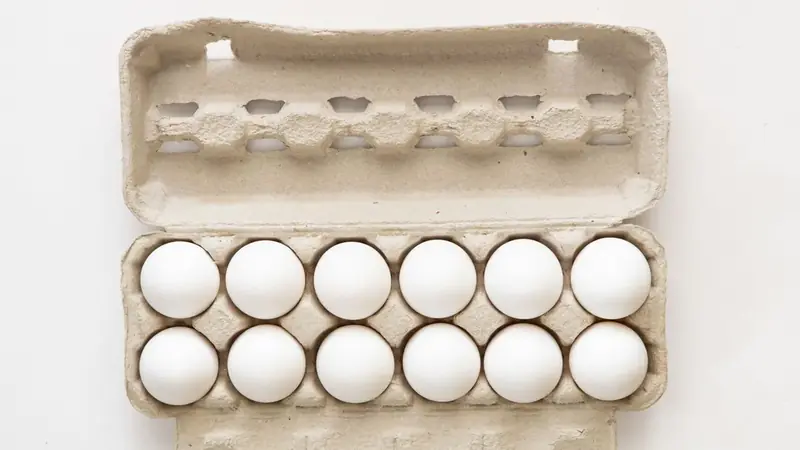
If eggs are in the news, the useful question is never "are eggs safe?" — it is "are these eggs safe?" Shell-egg recalls are narrow by design: a named firm, a plant number, a range of pack dates. The status box at the top of this page tracks the current picture from FDA's enforcement reports — the full, searchable list lives in our recall database — and the rest of this page is the matching skill: how to read the three codes on your carton, compare them to a notice, and know what to do when they line up. For the wider picture — every category, both agencies — start at our food recalls hub.
Is it safe to eat eggs right now?
Almost certainly, yes — with one check first. Egg recalls are issued over a specific risk, usually potential Salmonella contamination found in testing at one plant or in one flock's environment. A recall does not spread to other brands, other plants, or other dates, and eggs that match nothing in a current notice carry no extra risk beyond the everyday one FDA's storage and cooking guidance already covers.
So the check is mechanical, not judgmental:
- Brand and firm — a starting point only. Store brands are packed by firms you have never heard of, so the name on the front is the weakest of the three codes.
- Plant number — the code beginning with "P" on the carton. Notices are written around plant numbers.
- Pack date — the three-digit day-of-year code. A recall covers a stated range; one day outside it is outside the recall.
If all three line up with a notice, treat the eggs as recalled even if they look and smell fine — Salmonella contamination is not something you can see. If any one of them differs, the notice is not about your eggs. And if you ate eggs and then feel ill, that is a question for a doctor or urgent care, not a recall list; no list can diagnose you.
It also helps to know what usually starts these recalls. Most begin with a test result — a positive environmental sample at a packing plant, or Salmonella found in testing — rather than a confirmed string of illnesses. Firms recall on potential contamination, which means most recalled eggs were never shown to have made anyone sick, and many were perfectly fine. That is the system working as intended: the recall happens on suspicion, and your job is only the mechanical match.
How to read an FDA egg entry
Every shell-egg entry in our recall database comes from FDA's enforcement reports, the same source this page has always tracked. Each entry gives the report date, the firm, the product as FDA describes it, the reason, and two fields worth understanding:
Class. Nearly every shell-egg recall is Class I — FDA's most serious grade, a reasonable probability of serious health consequences. That sounds alarming until you remember the class grades the hazard, not how many cartons are involved: a Class I notice can cover one farm's local sales or a national store brand.
Status. Most entries you will see are marked terminated. That is FDA's word for a recall it considers finished — all reasonable efforts to remove the product have been made. It does not mean anyone checked the carton in your fridge. Retailers pull recalled eggs fast, but eggs keep for weeks, and a carton bought before a notice can outlive the recall's status. The pack date on your carton is what settles it, not the calendar.
Entries marked ongoing are the ones to read first: the recall is still open, product may still be on shelves or in homes, and the notice may grow as the investigation widens.
Two habits make the database more useful. First, mind the report date: it is when FDA published the entry, which can run days or weeks behind the firm's own announcement — a gap that matters when you are deciding whether a carton bought last month could be involved. Second, re-check after a few days. Entries are added and expanded as firms report more distribution, so a carton that matched nothing on Monday can match a widened entry by Friday. The status box at the top of this page carries the dataset's own as-of time; the alert signup below exists for the same reason.
How to read your carton
- Pack date: a three-digit code on the side of the carton — the day of the year the eggs were packed (001 = January 1, 365 = December 31). USDA's Agricultural Marketing Service publishes the day-of-year chart the industry uses.
- Plant number: on USDA-graded cartons, the packing plant's number preceded by the letter "P" (7 CFR 56.36). Recall notices list plant numbers and pack-date ranges together — for example, a notice might name one plant code with pack dates spanning a four-week window.
- Store brands: the name on the front can differ from the packer, and the same plant packs for several brands at once. Go by the plant number and date, not the brand. Warehouse shoppers should check alongside our Costco recalls hub: Kirkland Signature eggs are packed by outside firms, and a Kirkland carton matches a notice by its plant number and pack date like any other.
One code that does not settle anything: the use-by or sell-by date. It is a freshness date set by the packer, and notices are not written against it. When a notice and your carton disagree, the plant number and pack date win — those are the codes the firm itself reports to FDA.
Keep the carton until you have matched it. The codes are printed on the packaging, not the eggs — once the carton is in the recycling, the match is guesswork.
How FDA says to store and cook eggs
FDA's standing guidance, recalled or not: keep eggs in a clean refrigerator at 40°F or below, in the original carton, and use a refrigerator thermometer to check — few fridges display their real temperature, and FDA calls a freestanding thermometer inexpensive. Cook eggs until the yolk and white are firm, and cook egg dishes to 160°F as measured with an instant-read food thermometer. Most illnesses tied to eggs come from undercooking and warm storage, not from recalled product — which is another way of saying the everyday rules do most of the work.
What to do if your carton matches
- Stop using them. Do not eat them, and do not feed them to pets.
- Read the remedy on the notice. It says whether the firm offers a refund, return or disposal, and who to contact — the matching entry in our recall database links to the official notice.
- Contact the company on the notice, not a third party. Keep the carton and your receipt or order record until the remedy is complete, unless the notice says to dispose of the eggs.
- Check the rest of the fridge. Eggs bought the same week from the same store deserve the same three-code check.
See also: how to get a refund for a recalled product and how to check if a product you own has been recalled.
Entry format, carton codes and FDA guidance checked October 22, 2026 against openFDA enforcement data and FDA's published egg-safety guidance. Recall entries change as investigations do; the agency notice for your product is always the final word.
Photo: Sharon Snider / Pexels
ConsumerSun is not affiliated with CPSC, FDA, USDA FSIS or NHTSA. Always confirm details on the official recall notice. This page is information, not safety, medical or legal advice. Disclosure · Editorial policy
Frequently asked questions
Is it safe to eat eggs right now?
For almost every carton, yes. An egg recall covers specific brands, plants and pack dates — not eggs in general. Your eggs are a concern only if the brand, plant number and date code on your carton match a recall notice. If they match, do not eat them; if they don't, normal FDA handling — refrigerate at 40°F or below and cook until the yolk and white are firm — applies.
Who handles egg recalls?
FDA handles shell egg recalls. USDA FSIS handles many processed egg products, such as liquid, dried and frozen eggs.
What do the numbers on an egg carton mean?
On USDA-graded cartons, the three-digit number is the pack date — the day of the year the eggs were packed (001 is January 1) — and the plant number starts with the letter P. Recall notices list the plant number and pack-date range, which is why those two codes matter more than the brand name on the front.
What does it mean when an egg recall is marked terminated?
Terminated is FDA's word for a recall it considers finished: the firm has made all reasonable efforts to remove the product. It does not mean your carton was checked. If you still hold eggs from a terminated recall's brands and dates, read the full entry in the FDA Enforcement Report before using them.
Written by
Michael Gonzales
Founder & Editor
Michael Gonzales is the founder of Cloudalien Technologies, the company behind ConsumerSun. He built ConsumerSun so anyone can check the products they already own against official recall records from the CPSC, FDA and NHTSA — and get an alert when something in their home is recalled.