
Guide · Oct 22, 2026
Peanut butter recalls: how to check the jar code and best-by date
Peanut butter recalls are decided by the lot code stamped beside the best-by date, not by the brand name alone. Here is where to find that code, how to read it against an FDA notice, and what to do if your jar matches.
By Michael Gonzales · Last updated
Current status
1486 food recalls in the current federal dataset. Most recent: Lidl US: Coffee & Vanilla Gelato with Coffee Sauce & Cookie Pieces (Oct 17, 2026).
Data as of Oct 22, 2026, 8:53 AM EDT · Browse all food recalls
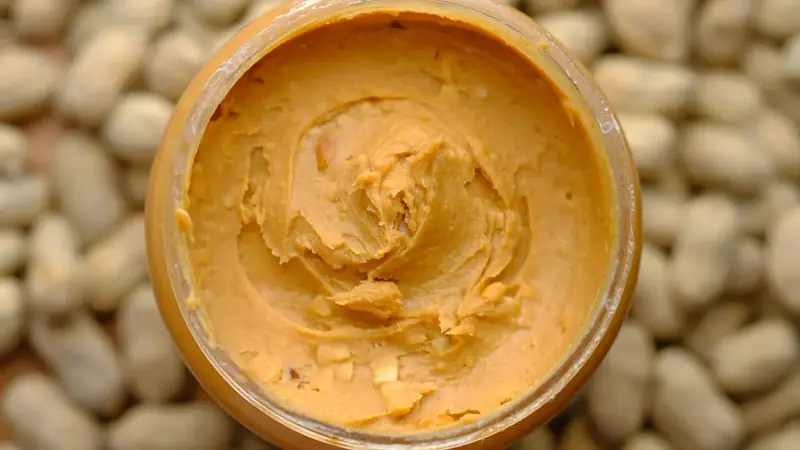
The check is the lot code — the best-by date is how you find it
When FDA posts a peanut butter recall, the notice does not say "all of a brand" or "all creamy." It names a range of lot codes, and usually the plant those codes came from. Two jars of the same product, bought the same week, can fall on opposite sides of the line — one recalled, one fine. So the brand name and the flavor are only the start of the check.
The best-by date matters for a different reason than most people think. On most jars, the lot code is printed in the same stamp as the "Best If Used By" date. Find the date and you have found the code — and the code is what decides. Our food recalls hub carries the current notices; this guide is about reading the jar in your hand against them.
How to check your jar, step by step
- Find the "Best If Used By" date. On a standard jar it is stamped on the label — usually the back — or ink-jetted near the lid. It may be faint; tilt the jar under a light if the stamp is hard to read.
- Read the number printed with it. Directly below or beside the date sits the lot code, a string of digits, sometimes with letters. In the 2022 Jif recall, FDA's instruction was exactly this: check the lot number printed below the "Best if Used by" date on the label.
- Check the other spots if the label block is blank or smeared. Brands move the stamp around. The usual alternates are the rim of the lid and the neck of the jar just under the lid. Single-serve cups carry the code on the foil seal or tub, and squeeze pouches usually carry it on the back panel or the crimped end.
- Compare the code against the notice, digit by digit. Notices give a range, and some hide a second test inside the number — a few digits that identify the plant. Your code has to pass both the range and the plant digits to be recalled.
- Confirm the product itself. Match the variety, the size, and the UPC against the notice's product list. A matching code on a product the notice does not list is not a match — and the right product with a code outside the range is not recalled.
The recall that taught everyone this: Jif, 2022
The May 2022 Jif recall is the pattern worth learning, because FDA ran the whole investigation off one stamped number. J.M. Smucker voluntarily recalled Jif peanut butter made at its Lexington, Kentucky plant after a multistate outbreak of Salmonella Senftenberg — ultimately 21 confirmed illnesses across 17 states. Investigators matched the outbreak strain to an environmental sample collected at the same plant back in 2010, a sign the bacterium had persisted in the facility for years.
The check for consumers came down to the lot code: jars with lot codes 1274425 through 2140425 were recalled, but only when the first seven digits ended in 425 — the digits that meant the jar came from Lexington. The code was printed below the "Best If Used By" date. FDA also warned that the peanut butter had a two-year shelf life, so jars bought long before the headlines could still be sitting in pantries. And the recall did not stop at jars: in the weeks that followed, dozens of other products — apple slices with peanut butter dip cups, celery bites, ice cream, fudge, snack trays — were recalled because they had been made with the recalled peanut butter.
Why a dry food gets recalled for Salmonella
Peanut butter looks like the last place bacteria would thrive, and in one sense that is true: there is too little available water in it for Salmonella to grow or multiply. The problem is that the bacteria do not need to grow to make you sick — they need only to survive, and peanut butter is very good at keeping them alive. Studies have found Salmonella still viable in peanut butter after 24 weeks, and it can persist for the product's entire shelf life. The fat in the food shields it, and FDA notes that Salmonella becomes more heat-resistant in low-moisture foods, so contamination that reaches the product after the peanuts are roasted is not cooked away. Once the bacterium settles into a dry production plant, it is notoriously hard to remove — the Jif plant's strain matched samples from more than a decade earlier. That is why one plant's contamination event becomes a recall of millions of jars: nothing in the jar will kill the bacteria off while it sits in your pantry.
Which products a peanut butter recall can cover
- Jars of every variety — creamy, crunchy, natural, reduced fat, honey blends — across a wide range of sizes. The 2022 Jif recall ran from small single-serve portions up to 4-pound jars.
- Single-serve cups and squeeze pouches (the "to go" formats), which carry their codes on the seal, tub, or back panel rather than a label.
- Products made with the recalled peanut butter as an ingredient — produce snack packs with dip cups, ice cream, fudge, bakery items, and snack trays. These get their own notices under the maker's name, not the peanut butter brand's, which is why a recall can keep growing after the first announcement. Our guide to checking any product you own covers how to trace those.
If your jar matches
- Do not eat it. Do not taste it to check, and do not feed it to pets. Set the jar aside until you have finished matching the codes — and photograph the code block before you throw anything away, in case a refund form asks for it.
- Throw it away or return it, as the notice directs. CDC told consumers to throw the recalled Jif jars away; some notices offer a return or reimbursement route instead. Either way, do not donate it and do not pass it along.
- Wash what it touched. Salmonella spreads to whatever the peanut butter contacted. CDC's advice after the Jif recall: wash surfaces and containers that may have touched the recalled peanut butter using hot, soapy water, and sanitize them — counters, cutting boards, knives and spreaders, and any container that held a sandwich or dip made with it.
- Watch for symptoms if you already ate some. Salmonella illness usually brings diarrhea, fever, and stomach cramps, starting anywhere from six hours to six days after eating. Call a healthcare provider if diarrhea comes with a fever over 102°F, if diarrhea lasts more than three days, if it is bloody, or if vomiting keeps you from holding liquids down.
If the notice for your jar is not a peanut butter one, the full list at recalls pulls every agency's current notices into one place.
Recall history, code locations and cleaning guidance checked October 22, 2026 against FDA's 2022 Jif recall notices and outbreak investigation page and CDC's food safety alert. The agency notice for your product is always the final word.
Photo: Towfiqu barbhuiya / Pexels
Frequently asked questions
Where is the lot code on a peanut butter jar?
Start with the 'Best If Used By' date — on most jars the lot code is printed in the same stamp, directly below or beside the date on the label. That is exactly where FDA told consumers to look in the 2022 Jif recall. If it is not in that block, check the rim of the lid and the neck of the jar just under the lid. On single-serve cups and squeeze pouches, look on the foil seal or the back panel.
Does the best-by date decide whether my jar is recalled?
No. Notices recall by lot code, not by date, and two jars with the same best-by date can carry different lot codes and land on opposite sides of a recall. The date's real job is to help you find the code printed next to it. Match the lot code — plus the product's variety, size and UPC — against the notice before deciding.
Why does peanut butter get recalled for Salmonella if it is a dry food?
Salmonella cannot grow in peanut butter — there is too little available water — but it can survive in it for months, shielded by the fat, and still make you sick. FDA also notes that Salmonella becomes harder to kill with heat in low-moisture foods, so contamination that gets in after roasting can persist through the jar's whole shelf life.
What should I do if my peanut butter matches a recall?
Do not eat it, and do not feed it to pets. Throw it away, or return it if the notice offers that, then wash the surfaces, containers and utensils it may have touched with hot, soapy water and sanitize them. If you already ate some and develop diarrhea, fever and stomach cramps, contact a healthcare provider — especially with a fever over 102°F, or diarrhea lasting more than three days.
Written by
Michael Gonzales
Founder & Editor
Michael Gonzales is the founder of Cloudalien Technologies, the company behind ConsumerSun. He built ConsumerSun so anyone can check the products they already own against official recall records from the CPSC, FDA and NHTSA — and get an alert when something in their home is recalled.