
Guide · Oct 29, 2026
Recalls by State: Where Recalled Products Land Most Often
California leads the nation with 825 recalls naming it in their distribution, ahead of Texas and Florida, and another 1,444 recalls went nationwide. The full ranking from the ConsumerSun Recall Index.
By Michael Gonzales · Last updated
Current status
4833 recalls across all categories in the current federal dataset. Most recent: Vitality Works Inc.: Standardized + Full Spectrum Blend Ashwagandha Capsules (Oct 30, 2026).
Data as of Nov 3, 2026, 1:19 AM EST · Browse the full recall list
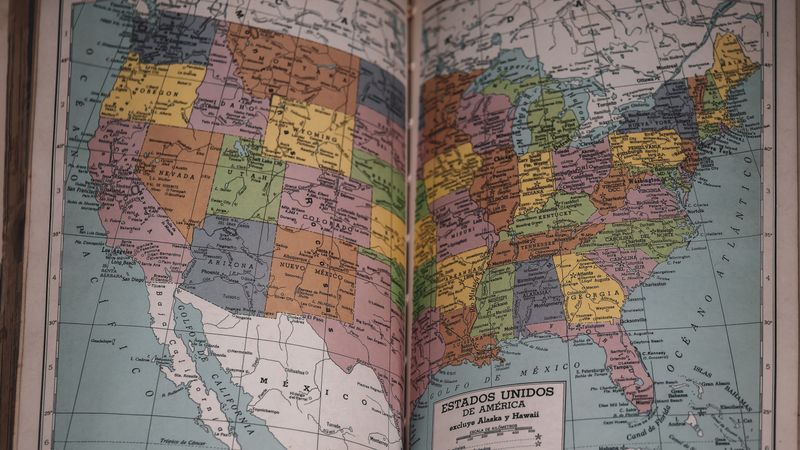
California is named in more recall distribution statements than any other state, with 825 recalls in the ConsumerSun Recall Index between October 31, 2024, and October 27, 2026. Texas follows with 790, then Florida with 753, New York with 750, and Illinois with 676. The index holds 4,726 recalls in total: 2,819 from the Food and Drug Administration, 956 from the Consumer Product Safety Commission, and 951 from the National Highway Traffic Safety Administration. A recall counts toward a state when the recall's official distribution statement names that state, and one recall can name several states. Read with that rule in mind, a high count does not mean a state is unsafe. It mostly means more people, more products, and wider distribution networks reaching it.
Which states are named in the most recalls?
The full ranking covers every state, plus Puerto Rico and the District of Columbia, which also appear in distribution statements.
| Rank | State | Recalls naming the state |
|---|---|---|
| 1 | California | 825 |
| 2 | Texas | 790 |
| 3 | Florida | 753 |
| 4 | New York | 750 |
| 5 | Illinois | 676 |
| 6 | Pennsylvania | 622 |
| 7 | Georgia | 615 |
| 8 | Ohio | 605 |
| 9 | New Jersey | 577 |
| 10 | Maryland | 549 |
| 11 | Wisconsin | 546 |
| 12 | Indiana | 542 |
| 13 | Virginia | 533 |
| 14 | Missouri | 531 |
| 15 | North Carolina | 524 |
| 16 | Arizona | 511 |
| 17 | Tennessee | 509 |
| 18 | Massachusetts | 508 |
| 19 | Minnesota | 506 |
| 20 | Michigan | 497 |
| 21 | Louisiana | 488 |
| 22 | Colorado | 463 |
| 23 | Washington | 463 |
| 24 | Alabama | 449 |
| 25 | Kentucky | 438 |
| 26 | Kansas | 425 |
| 27 | South Carolina | 420 |
| 28 | Mississippi | 416 |
| 29 | Arkansas | 397 |
| 30 | Nevada | 391 |
| 31 | Connecticut | 376 |
| 32 | Oklahoma | 367 |
| 33 | Nebraska | 365 |
| 34 | Oregon | 365 |
| 35 | Utah | 333 |
| 36 | Iowa | 310 |
| 37 | New Mexico | 296 |
| 38 | Wyoming | 261 |
| 39 | Maine | 254 |
| 40 | Idaho | 246 |
| 41 | Montana | 246 |
| 42 | New Hampshire | 237 |
| 43 | West Virginia | 194 |
| 44 | Delaware | 185 |
| 45 | Puerto Rico | 173 |
| 46 | South Dakota | 170 |
| 47 | North Dakota | 163 |
| 48 | Hawaii | 163 |
| 49 | Alaska | 160 |
| 50 | Rhode Island | 156 |
| 51 | Vermont | 128 |
| 52 | District of Columbia | 105 |
Does a high recall count mean a state is less safe?
No. The top of the ranking closely tracks population and distribution geography. California, Texas, Florida, and New York are the states that national distribution reaches first and most completely, and the rest of the top ten is filled by large states with major warehouse and grocery networks, including Illinois, Pennsylvania, Georgia, and Ohio. The ranking also rewards states that broad-distribution suppliers name again and again. Maryland reaches tenth place, ahead of North Carolina and Michigan, largely because a handful of medical suppliers with wide distribution name it constantly. At the other end, Vermont, Rhode Island, Alaska, and Hawaii sit at the bottom because fewer distribution statements reach them, not because their shelves are safer. Separately, 1,444 recalls in the window were distributed nationwide and are not credited to any single state here, so every state is touched by far more recalls than its row shows.
What is driving the numbers in the top states?
A few companies account for a surprising share of every leading state's total. ASP Global, a maker of disposable tourniquet cuffs, appears 64 times in California's count, 64 times in Texas's, and 64 times in each of the other top states, because the same recalls, covering cuffs labeled with a ten-year shelf life when the validated shelf life was five years, named all of them. Medline Industries follows the same pattern with its surgical convenience kits, contributing 61 recalls naming California, 55 naming Florida, 54 naming Maryland, and 53 naming Texas. On the food side, potential Salmonella contamination is the most repeated hazard in the big states, at 40 recalls each in Florida, Georgia, and Ohio, 37 in New York, and 36 each in Texas and Illinois, with Taylor Fresh Foods salads and salsas alone contributing 25 recalls in six of the top states. Cyclospora contamination accounts for 21 recalls in eight of the top ten states, and Listeria appears near the top in New York and Maryland, where Clover Hill Dairy cheeses contribute 18 recalls in each. In California, Silver Moon ice cream recalls, mostly for undeclared allergens and colors, add 48 more.
Why do Food and Drug Administration records dominate the state counts?
Because it is usually the Food and Drug Administration that publishes a distribution statement naming states. Vehicle recalls from the National Highway Traffic Safety Administration are national by nature, and most Consumer Product Safety Commission records do not name states at all. Of the 4,726 recalls in the window, 2,122 carry no distribution statement, so they cannot be assigned to any state. This ranking is therefore best read as a map of where recalled food, drugs, and medical products were shipped, rather than a complete count of every recall that reached each state.
How we counted
ConsumerSun counted every recall in the ConsumerSun Recall Index dated October 31, 2024, through October 27, 2026, and credited a recall to each state named in its official distribution statement, so a recall distributed to twelve states counts twelve times, once in each. Recalls described as nationwide (1,444 of them) were counted separately and not assigned to individual states, and recalls with no distribution statement (2,122) could not be placed. The weekly picture is at this week's Recall Index, and the underlying recall records are published at consumersun.com/data/recalls.json.
Related studies
Each of the top five states has its own study: recalls in California, recalls in Texas, recalls in Florida, recalls in New York, and recalls in Illinois. For the companies behind the biggest counts, including ASP Global and Medline Industries, see the companies with the most recalls. If you want to check something you own, start with how to check if a product is recalled.
Photo: Arturo A / Pexels
Frequently asked questions
Which state has the most recalls?
California, with 825 recalls naming it in their official distribution statement between October 31, 2024 and October 27, 2026, followed by Texas (790), Florida (753), New York (750), and Illinois (676). Another 1,444 recalls in the period were distributed nationwide and reached every state.
What does a state's recall count mean?
It counts recalls whose official distribution statement names that state. A recall can name several states and counts in each one. The statements come mainly from Food and Drug Administration records, because vehicle recalls are national by nature.
Does a high recall count mean a state is less safe?
No. The ranking tracks population and distribution networks closely. A high count means many products were distributed there, not that the products sold in that state are more dangerous.
Where does the data come from?
The ConsumerSun Recall Index, which compiles official United States agency feeds: 4,726 recalls from the Food and Drug Administration, the Consumer Product Safety Commission, and the National Highway Traffic Safety Administration, dated October 31, 2024 to October 27, 2026.
Written by
Michael Gonzales
Founder & Editor
Michael Gonzales is the founder of Cloudalien Technologies, the company behind ConsumerSun. He built ConsumerSun so anyone can check the products they already own against official recall records from the CPSC, FDA and NHTSA — and get an alert when something in their home is recalled.