
Guide · Oct 14, 2026
Baby formula recalls: how to check the lot number on your can
Formula recalls are announced by the FDA, and a recall almost never covers a whole brand — it covers specific production runs. The match is made with the codes on the bottom of the can: brand, product, size, lot code and use-by date all have to line up with the notice.
By Michael Gonzales · Last updated
Current status
317 baby and kids recalls in the current federal dataset. Most recent: Fashion Brand Apparel Recalls QZH.DUAO Pajama Sets Due to Risk of Serious Injury or Death from Burn Hazard; Violate Mandatory Standards for Children’s Sleepwear (Oct 29, 2026).
Data as of Nov 3, 2026, 3:12 AM EST · Browse all baby and kids recalls
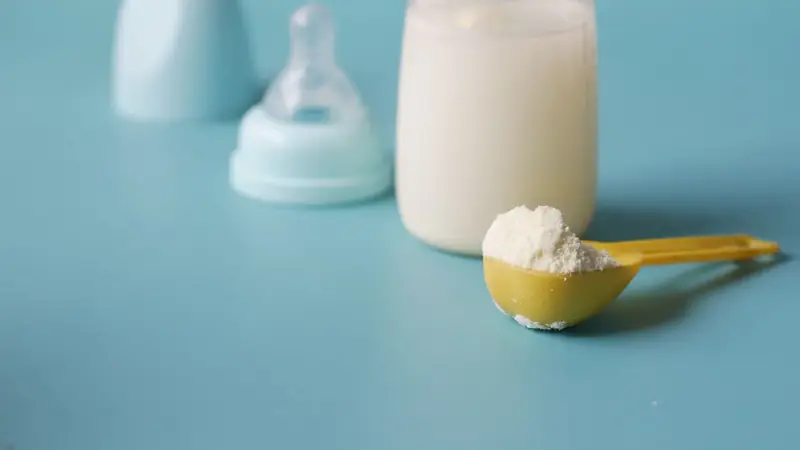
Formula recalls are FDA notices, and they run on codes
Every infant formula recall in the United States is announced by the FDA, and almost none of them cover an entire brand. A recall covers specific production runs from a specific plant, which means two cans of the same formula, bought a week apart, can have different answers. The brand name on the front of the can cannot tell you whether yours is recalled. The codes on the bottom can.
The check takes about a minute, and it is exact. This guide walks through where the codes are, how to match them against an FDA notice, why formula gets recalled, and what to do if your can matches. The status box at the top of this page tracks the current picture, and our full recalls list carries every entry, both drawn from FDA enforcement data; the FDA notice for each recall is the official record.
Check your can in four steps
1. Find the codes. Turn the can over. The lot code and the use-by date are printed on the bottom — in FDA's own advisory wording, consumers should "look at the lot code, a multidigit number on the bottom of a container." Tubs and pouches move the print around: look on the bottom, the back panel, or along a crimped seam. Ready-to-feed bottles carry the codes on the bottle or the shrink-wrapped pack. If there is no lot code on the package at all, the CDC's guidance is blunt: do not use it.
2. Write down every identifier. A complete check needs five things: the brand, the exact product name, the size, the lot code, and the use-by date. Add the UPC — the number under the barcode — because notices list it. Photographing the bottom of the can captures all of it at once.
3. Match all of them against the notice. A can is recalled only when every identifier lines up: same product, same size, lot code inside the range or list in the notice, and use-by date inside the stated window. If one element differs — a different size, a lot code one digit off, a use-by date outside the window — your can is not part of that recall.
4. If it matches, stop using it. Set the can aside where it will not be grabbed by mistake, and follow the company's instructions in the FDA notice for the refund or replacement. Then call your baby's pediatrician about what to feed in the meantime.
Lot code vs. use-by date: what each one does
Parents often treat these as the same stamp. They do different jobs, and a recall match needs both.
The lot code (also printed as a batch code or lot number) identifies the production run: one batch of formula, made at one plant. Contamination and manufacturing problems happen to batches, not brands, so the lot code is the primary key in every FDA formula notice. Notices express it as a list of codes, a range, or a pattern — a set of starting digits plus a container code, for example.
The use-by date is about the formula itself. Infant formula is one of the few foods where federal rules require the date: it marks the last date the manufacturer guarantees the nutrient levels printed on the label. FDA's rule for parents is simple — do not use formula after its use-by date, recalled or not. In a recall notice, the use-by works as a boundary that narrows which lots count; it never substitutes for the lot code. A can with the right date and the wrong lot is not recalled. A can with the right lot is recalled even if the date is months away.
Why formula gets recalled
The hazard behind the most serious formula recalls is a bacterium, Cronobacter sakazakii. The FDA's description is measured and worth taking seriously: Cronobacter infections are rare, but they can cause sepsis and meningitis, and they are most dangerous to infants younger than two months, babies born prematurely, and babies who are immunocompromised or of low birthweight. Powdered formula is the exposure route that matters, because — unlike liquid ready-to-feed formula, which is manufactured sterile — powdered formula is not sterile, and Cronobacter can survive in dry powder for a long time. It is why the FDA treats a Cronobacter finding at a formula plant as a Class I situation: the grade for a reasonable probability of serious harm or death (see our FDA vs. USDA class guide).
Cronobacter is not the only cause. Salmonella contamination of powder has driven major recalls. So have bacterial toxins produced before processing, nutrient levels outside the ranges federal rules require — too little iron, too much of a vitamin — and foreign material in the powder. Others are supply-rule recalls: formula sold in the United States without meeting FDA's requirements, including unauthorized imports.
Infant formula is also where the FDA's mandatory recall power started — the agency held order authority over formula decades before the Food Safety Modernization Act extended it to foods generally.
The rules that hold during any formula recall
The FDA repeats the same three instructions in its formula advisories, because the improvisations parents reach for under stress are the dangerous ones:
- Never dilute formula. Adding extra water to stretch a can dilutes the nutrients and electrolytes a baby needs; the FDA's word is "never."
- Never use homemade formula. Recipes circulating online do not meet infants' nutritional requirements and have put babies in hospital. The FDA advises parents not to make or feed homemade infant formula, full stop.
- Do not switch on your own if the switch is not straightforward. If your regular formula is not available, the FDA's guidance is to contact your child's healthcare provider for recommendations on changing feeding practices. This matters most for specialty and metabolic formulas, where the substitute is a medical decision.
- Be careful where you buy. The FDA also advises against buying formula sold online from outside the United States: it may be counterfeit, mislabeled, or carry a false use-by date, and it sits outside the recall system entirely.
And the standing rule from our guide to checking any product you own applies with extra force here: when in doubt about a match, treat the can as recalled and make the pediatrician call.
Refunds, replacements, and WIC
The company's notice on the FDA recalls page controls the remedy: usually a refund or a replacement, claimed with the lot code and use-by from the bottom of the can. Keep the can itself until the claim is done. Our recall refund guide walks through what to keep as proof and what to do if a company does not respond.
If your formula comes through WIC, the CDC's instruction is different from the usual advice: do not throw the formula out. Take it back to the store for a refund and exchange, call the company number in the notice, or call your local WIC clinic — WIC participants should be able to obtain a different brand of similar formula.
Staying ahead of the next one
Formula does not come with a registration card, but much of the gear around it does — cribs, strollers, and car seats all do, and registering them is how manufacturers reach you directly when something is recalled. Several major car seat recalls landed in 2026, so if you have not checked yours, our car seat recalls guide teaches the same code-matching skill for model numbers and manufacture dates.
Code locations, the Cronobacter risk framing, and the preparation and switching rules checked October 22, 2026 against FDA infant formula advisories and FDA and CDC guidance. The FDA notice for your product is always the final word.
Photo: Towfiqu barbhuiya / Pexels
Frequently asked questions
Where is the lot number on a baby formula can?
On the bottom of the can. In its recall advisories the FDA tells parents to look at the lot code — a multidigit number printed on the bottom of the container — alongside the use-by date, which is printed in the same place. Tubs, pouches and ready-to-feed bottles print the codes on the bottom, the back panel or a crimped seam instead. The UPC is the number under the barcode.
What is the difference between the lot code and the use-by date?
The lot code identifies the production batch — the specific run of formula made at one plant at one time — and it is the primary key in an FDA recall notice. The use-by date is the last date the manufacturer guarantees the formula's nutrient content; notices use it as a second boundary. A can is in a recall only when the lot code and the use-by date (and the product and size) all match the notice. A partial match is not a match.
Why do baby formula recalls happen?
The most serious recalls involve bacteria that can contaminate powdered formula, above all Cronobacter sakazakii, which the FDA says can cause sepsis and meningitis and is most dangerous to babies under two months old, premature babies, and babies with weakened immune systems. Salmonella contamination, bacterial toxins, nutrient levels outside the required ranges, and foreign material in the powder account for most of the rest.
My formula matches a recall notice. What should I do?
Stop using it. Do not dilute it, stretch it, or swap in a homemade substitute — the FDA advises against all three. Call your baby's pediatrician or healthcare provider for what to feed instead, especially if your baby is on a specialty formula. Keep the can, or photograph the codes on the bottom, because the company's recall notice will ask for them when you claim a refund or replacement. If your baby has symptoms such as fever, poor feeding or unusual lethargy, seek medical care right away.
Written by
Michael Gonzales
Founder & Editor
Michael Gonzales is the founder of Cloudalien Technologies, the company behind ConsumerSun. He built ConsumerSun so anyone can check the products they already own against official recall records from the CPSC, FDA and NHTSA — and get an alert when something in their home is recalled.