
Guide · Oct 23, 2026
Toy recalls: how to check the toys already in your house
Toy recalls are run by the U.S. Consumer Product Safety Commission (CPSC), and they reach backward — a toy bought years ago, handed down, or bought secondhand can be recalled today. The risks cluster in five places: lead, small parts, magnets, button batteries and cords. Here is how to check what you own.
By Michael Gonzales · Last updated
Current status
317 baby and kids recalls in the current federal dataset. Most recent: BAMAMON Recalls LED Projecting Finger Light Toys Due to Risk of Serious Injury or Death from Battery Ingestion; Violate Mandatory Standard for Toys (Oct 22, 2026).
Data as of Oct 23, 2026, 12:55 AM EDT · Browse all baby and kids recalls
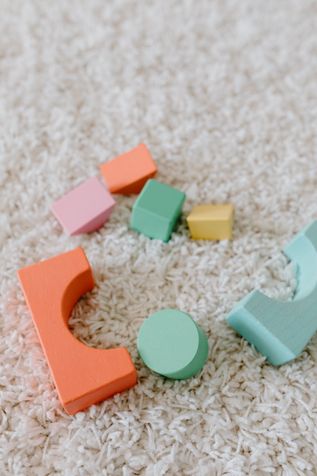
Toy recalls run on models, not memories
Every toy recall in the United States is issued by the Consumer Product Safety Commission (CPSC), and the pattern is different from food in one important way: toys stay in houses for years. A food recall reaches back weeks. A toy recall reaches back to the toy box, the attic, the hand-me-down bin and the thrift store — which is why the CPSC's standing instruction is to check toys you already own, not just ones you are about to buy.
A recall is written against a model and a date range, never against a toy's name alone. The same character doll can be fine in one production run and recalled in another. The check is mechanical: find the brand and model or item number (printed on the toy, its sewn tag, or the battery door), and match them against the notice. Our guide to reading a CPSC recall notice walks through the anatomy of a notice field by field; this page covers why toys get recalled, and the five hazards that account for nearly all of the serious ones.
The five hazards that drive toy recalls
Lead. The oldest toy problem and still the most common reason for recalls of imported and painted toys. Lead hides in paint and in metal — charms, jewelry, painted figures. Federal law (the CPSIA, passed in 2008 after the 2007 recall wave described below) caps lead in children's paint at 90 parts per million and in the toy material itself at 100 parts per million. Toys made before those limits — or made outside them — are the risk, which is why painted metal and vintage toys deserve the strictest check.
Small parts. For children under three, federal rules ban toys with parts small enough to fit entirely in the small-parts test cylinder — roughly the size of a toilet-paper tube's opening. Recalls happen when a part that passed on paper breaks off in play: an eye, a wheel, a button. If a toy for a toddler can lose a piece, the piece is the recall.
Magnets. The hazard that changed toy law twice. When two or more high-powered magnets are swallowed, they attract each other through intestinal walls and cause perforations that require surgery. After a decade of cases involving desk-toy magnet sets and magnetic building toys, the CPSC's 2022 mandatory standard requires loose magnets in toys to be either too large to swallow-test or too weak to be dangerous (a flux index under 50). Older magnetic toys in the house predate the rule — check them.
Button and coin batteries. A swallowed lithium coin cell can burn through a child's esophagus in about two hours. Reese's Law (2022) now requires child-resistant battery compartments on products that use them and warning-labeled packaging for the batteries themselves. The recalls that still happen involve compartments a child can open without a tool. Test every battery door in the house with a thumbnail: if it opens without a screwdriver, it fails the spirit of the rule whether or not it has been recalled yet.
Cords, strings and expansion toys. Loops and long strings strangle; drawstrings on costumes catch on slides and doors. In the same family of "grows inside the body" hazards, water beads — sold as sensory toys — expand when wet and have drawn repeated CPSC warnings and recalls after children swallowed dry beads that later expanded. Treat them like magnets: a toy whose danger appears after swallowing, invisibly.
The recalls that rewrote the rules
Three episodes explain why the modern rules read the way they do:
- 2007, the lead-paint wave. Mattel and Fisher-Price recalled more than 20 million toys worldwide in a single summer and fall — surface paint with lead above the limits, plus Polly Pocket sets whose small magnets could come loose. Congress answered with the CPSIA in 2008: the lead limits above, mandatory third-party testing, and the modern toy standard (ASTM F963) made compulsory.
- 2007, Aqua Dots. A craft kit whose beads, when swallowed, metabolized into the date-rape drug GHB; about 4.2 million sets were recalled after children were hospitalized. It is the standing lesson that a toy's chemistry is part of its safety, not just its shape.
- 2010s, high-powered magnet sets. Buckyballs and similar desk sets produced years of injuries, a recall, litigation, and eventually the 2022 magnet standard. The episode is why "the box said ages 14+" is not treated as a defense when a product foreseeably reaches children.
The through-line: every one of these hazards is checkable in your house today with the model number and two minutes.
How to check the toys you own
- Pick the risk first. Painted metal toys, magnets of any kind, anything with a button battery, and toys for under-threes with detachable parts — check these before the plush bin.
- Find the identifier. Brand + model/item number, on the toy, tag, or battery door. Photograph it; recalls match on these, not on the toy's appearance.
- Search the database. SaferProducts.gov is the CPSC's own portal; our recall database carries the same CPSC records with the fields labeled in plain language. No match is good news, with one caveat: re-check after big news — recalls get expanded as firms report more models.
- If it matches, act the same day. Stop use, keep it away from children, and follow the notice's remedy — CPSC toy remedies are usually a refund, a repair kit, or a replacement, and they do not expire just because the toy is old.
And the rule that surprises people: it is illegal to resell a recalled product, and the same logic should govern donations and hand-me-downs. A recalled toy passed along is a recall that failed.
Buying new: three habits
- Age grades are safety information, not developmental snobbery — an under-three rating means the small-parts rule applied.
- Buy from the brand or an established retailer. Marketplace imports are where lead and battery-compartment failures concentrate, because the mandatory standard only binds sellers who follow it.
- Register ride-ons and big-ticket toys the way you would a car seat: the firm's recall notice only reaches registered owners directly.
See also: car seat recalls for the other model-number check in the nursery, and how to check if a product you own has been recalled for the general method.
Standards, limits and case history checked October 22, 2026 against CPSC rules and recall records (CPSIA lead limits, the 2022 magnet standard, Reese's Law) and the CPSC database. The agency notice for your toy is always the final word.
Photo: Tara Winstead / Pexels
Frequently asked questions
How do I check if a toy has been recalled?
Search the toy's brand and model in the CPSC database at SaferProducts.gov, or in our recall database, which carries the same CPSC records in plain language. Check the model or item number printed on the toy or its tag — recalls are written against models and date ranges, not toy names alone. If it matches, stop using it and follow the notice's remedy.
Can I sell or give away a recalled toy?
No. Federal law makes it illegal to sell a recalled product — in a store, online, at a garage sale, or anywhere else — and donating one is the same problem with a friendlier label. If a toy is recalled, follow the remedy in the notice or throw it away where another child cannot retrieve it.
What are the most dangerous toy hazards?
The ones that send children to emergency rooms: small parts that break airway-size tests for children under three, high-powered magnets that attract through intestinal walls, button and coin batteries that burn the esophagus, lead in paint and metal, and cords or strings that can strangle. Water beads have drawn repeated CPSC warnings for the same reason magnets did — they expand inside the body.
Are toys bought secondhand or handed down safe?
Only if they clear the same checks as new ones. Older toys predate current lead limits and the mandatory toy standard, and a hand-me-down can have been recalled years after it was first bought. Check every secondhand toy against the recall database before it reaches a child, and be strictest with painted metal toys, magnets, and anything with a battery compartment a child can open.
Written by
Michael Gonzales
Founder & Editor
Michael Gonzales is the founder of Cloudalien Technologies, the company behind ConsumerSun. He built ConsumerSun so anyone can check the products they already own against official recall records from the CPSC, FDA and NHTSA — and get an alert when something in their home is recalled.