
Guide · Oct 14, 2026
Car seat recalls: how to check your seat by model number and manufacture date
Car seat recalls are run by NHTSA, and every one of them turns on two numbers printed on the seat itself. Here is where the labels hide, how to match them against a notice, and how to register a seat so the next recall finds you.
By Michael Gonzales · Last updated
Current status
317 baby and kids recalls in the current federal dataset. Most recent: Fashion Brand Apparel Recalls QZH.DUAO Pajama Sets Due to Risk of Serious Injury or Death from Burn Hazard; Violate Mandatory Standards for Children’s Sleepwear (Oct 29, 2026).
Data as of Nov 3, 2026, 1:00 PM EST · Browse all baby and kids recalls
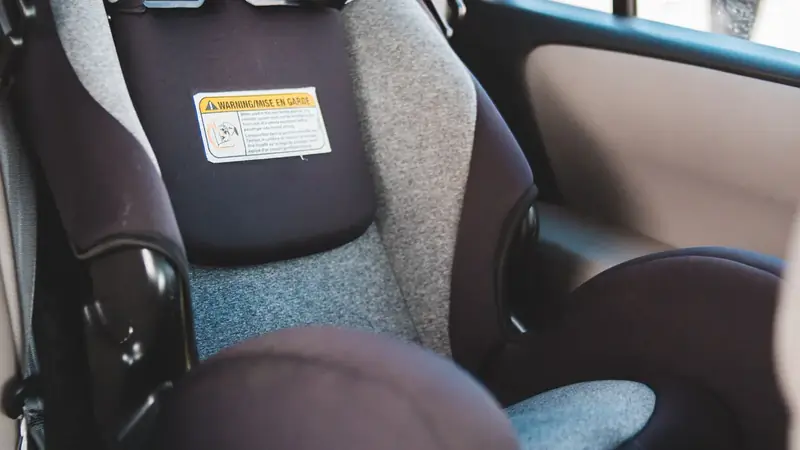
Two labels decide whether your seat is recalled
Car seat recalls are run by the National Highway Traffic Safety Administration (NHTSA), not the CPSC, and no recall is decided by the seat's name alone. Every notice is written against a model number and a date of manufacture — sometimes a handful of model numbers, sometimes one model built inside a narrow date window. Two seats with the same name, bought a year apart, can land on opposite sides of a recall.
The check takes five minutes and needs nothing but the seat itself. For the general method on any product, see our guide to checking any product you own; this page is the car-seat version, step by step.
Step by step: find the labels, match the notice
1. Find the label — there may be two. Federal rules require the model information to be on the seat, but brands put it in different places. Check, in order: the side of the shell, the back of the shell, and the underside or bottom. An infant seat that clicks into a separate base carries labels on both the carrier and the base, and a recall can cover one without the other — check both. Booster seats usually carry the label on the bottom. Tip the seat out of the car if you have to; a label you cannot read is a label you cannot check.
2. Write down three things. The model name and model number, the date of manufacture, and the expiration date if one is printed. Take a photo of the label while you are there — you will want the same numbers for registration, and for every future check.
3. Search NHTSA by brand and model. Go to nhtsa.gov/recalls, choose the car seat search, and enter the brand and model. You can also search our recall center or browse the baby and kids hub.
4. Match all of it, not just the name. Read the model list and the manufacture-date range in the notice itself. The Evenflo Titan 65 recall in the table below covers four specific model numbers — an otherwise identical Titan 65 with a different model number is not in it. Model matches but your date falls outside the range? Not your recall. Both match? It is yours, even if the seat looks fine — most car seat defects are not visible.
5. Follow the remedy in the notice. Then register the seat (below), so the next one reaches you by mail instead of by luck.
Recent car seat recalls
| NHTSA recall | Date | Seats | Problem | Remedy |
|---|---|---|---|---|
| 26C006000 | Aug 20, 2026 | Britax B-Safe Gen 2, Gen 2 Flexfit, Gen 2 Flexfit Plus, B-Safe 35, B-Safe Ultra, Endeavours | A screw in the carrying handle may loosen and the handle may partly detach | Remedy under development; owner letters mailed Sep 30, 2026 |
| 26C003000 | Apr 3, 2026 | Graco SnugRide Turn & Slide and Modes Nest travel systems with that seat | Infant carrier may detach from the base in a crash | Free replacement seat; install with the vehicle belt (no base) until it arrives |
| 26C001000 | Jan 20, 2026 | Evenflo Titan 65 (models CS200312198, CS200311198, 3712198, 3711198) | May be missing the tether strap | Inspect; free tether strap mailed as needed |
| 25C011000 | Dec 24, 2025 | Evenflo All4One | Recline may shift out of position in rear-facing mode | Free replacement seat |
Contact numbers from the NHTSA records: Britax 888-427-4829, Graco 1-800-345-4109, Evenflo 1-800-233-5921.
What the remedy usually looks like
Car seat remedies are free, and they come in a few standard shapes:
- A repair kit or a part in the mail — a strap, a clip, instructions for an adjustment. The Titan 65 tether strap above is the pattern.
- A replacement seat — when the defect is in the shell or the structure, as with the Graco carrier and the Evenflo All4One, the maker ships a new seat.
- A refund or a replacement product — less common for seats, more common when a model is discontinued; if a company refuses a fix it owes you, our recall refund guide covers escalation.
- "Remedy under development" — the notice is out before the fix is. Owner letters follow when the remedy is ready, which is one more reason registration matters.
The notice also tells you whether the seat can be used in the meantime. Some give an interim step — the Graco notice, for example, has owners install the carrier with the vehicle belt, without the base, until the replacement arrives. Others say to stop using the seat until it is fixed. If a notice says stop, it means stop — borrow or buy a seat in the meantime rather than gambling on the one ride.
Register the seat — the step that makes recalls come to you
Federal rules (49 CFR Part 588) require car seat makers to include a registration form with every seat and to keep a list of registered owners, precisely so they can reach you directly in a recall. The card is pre-filled with your seat's model number and manufacture date and needs no postage. You can also register on the manufacturer's website with the same two numbers. It takes two minutes, and it converts every future recall from something you might hear about into a letter or email with your name on it.
Three registration notes worth knowing:
- Register a used seat in your name. Registration follows the current owner, and the free remedy does too.
- Register every seat and every base a child rides in — yours, the grandparents' spare, the travel seat.
- Add NHTSA's own alerts. NHTSA offers email recall alerts and the free SaferCar app — a second net if a registration card never got mailed.
Our product registration guide covers what makers may and may not do with the details you give them.
Used seats and hand-me-downs: check the history, not just the recall list
A seat can have a clean recall record and still be unsafe. Before a secondhand seat goes in your car, run NHTSA's used-seat checklist:
- You know the seat's full history, and it has never been in a moderate or severe crash.
- The labels are present and show the model number and manufacture date.
- It is not past its expiration date — plastic and harness webbing age, and expired seats should not be used.
- It has no open recall at nhtsa.gov/recalls.
- Every part is there — chest clip, inserts, base — and the manual is with it or downloaded from the maker.
- There are no cracks in the shell and no frayed or stiff harness straps.
One "no" and the seat should not be used. And never buy or sell a seat whose history you cannot verify, or a seat under a stop-use recall — a bargain is not worth a restraint that fails in a crash. While you are checking seats, the sibling guides in this cluster cover crib recalls and baby formula recalls.
A car seat recall is not a vehicle recall
Your car's VIN lookup shows recalls on the vehicle. It will never show a recall on a car seat you bought separately and clicked into it — the seat is checked on its own, by brand and model, as above. For the vehicle side, NHTSA's free VIN lookup is linked from our vehicle recalls hub.
NHTSA recall lookup, registration requirements under 49 CFR Part 588, the used car seat checklist and crash-replacement guidance checked October 22, 2026 against nhtsa.gov. The recall table reflects NHTSA records as carried on this page; the notice for your seat is always the final word.
Photo: Erik Mclean / Pexels
Frequently asked questions
How do I find my car seat's model number and manufacture date?
Look for the manufacturer's labels on the seat shell — usually on the side or back of the shell, or on the underside. An infant seat that clicks into a base has labels on the carrier and on the base. The label lists the model name and number, the date of manufacture, and usually an expiration date. If the label is missing or unreadable, the seat should not be used — nobody can check it for recalls.
Can I still use a recalled car seat?
Only if the notice says so. Some notices give an interim step — a different installation method, or a part to inspect — and allow use until the free fix arrives. Others say to stop using the seat until it is repaired or replaced. The notice, not the headline, decides. If it says stop, stop, and use a different seat in the meantime.
I bought the seat secondhand. Can I still register it and get a free repair?
Yes. Registration is free, the card or the manufacturer's website asks only for the model number, the manufacture date and your contact details, and you can register a seat in your name even if you were not the first owner. The same goes for the remedy — a recall fix is free to whoever owns the seat. But check a used seat's full history first: if it has been in a moderate or severe crash, is expired, or is missing its labels, parts or manual, it should not be used at all.
Do booster seats need to be replaced after a crash?
NHTSA recommends replacing car seats, including boosters, after a moderate or severe crash. A seat may not need replacing after a minor crash that meets all of NHTSA's listed conditions — the car was driven away, the door nearest the seat was undamaged, nobody was injured, the air bags did not deploy, and the seat shows no visible damage. Some makers are stricter and say to replace after any crash, so check your manual too.
Written by
Michael Gonzales
Founder & Editor
Michael Gonzales is the founder of Cloudalien Technologies, the company behind ConsumerSun. He built ConsumerSun so anyone can check the products they already own against official recall records from the CPSC, FDA and NHTSA — and get an alert when something in their home is recalled.