
Guide · Oct 22, 2026
Atorvastatin recall: how to check your statin by NDC and lot
Atorvastatin recalls never cover the drug itself — they cover specific lots from one manufacturer. Here is why this statin gets recalled, how the NDC on your label is built, and the step-by-step match that tells you whether your bottle is actually in one.
By Michael Gonzales · Last updated
Current status
4860 recalls across all categories in the current federal dataset. Most recent: Wedgewood Pharmacy, LLC.: Compounded veterinary medications (Oct 21, 2026).
Data as of Oct 22, 2026, 8:53 AM EDT · Browse the full recall list
Start with the rule: do not stop on your own
A headline that says "atorvastatin recalled" is not an instruction to skip tonight's dose. FDA's standing guidance for recalled medicines is that consumers can generally continue taking the medicine unless the recalling company provides other instructions — and the agency adds that in some instances, stopping a medicine may be more harmful to your health than continuing to take the recalled one. FDA applied exactly that logic to this drug in 2012, telling patients who had the recalled atorvastatin that they could continue taking it unless directed otherwise by their physician.
So the order of operations is the same one we lay out for blood pressure medication recalls: keep taking your medicine, check whether your specific bottle is actually affected, and call your pharmacist the same day. With atorvastatin, the check turns on two numbers — the NDC and the lot.
What atorvastatin is, and why the manufacturer matters more than the name
Atorvastatin is the generic form of Lipitor, a statin prescribed to lower cholesterol. FDA describes it as a widely used cholesterol-lowering medication that is available from several manufacturers — and that last phrase is the whole ballgame. A dozen or more companies sell atorvastatin in the United States, and your pharmacy buys from whichever supplier it is using at the time. The same prescription, refilled at the same pharmacy, can arrive from a different manufacturer than last month's fill, with tablets that look different.
A recall never attaches to "atorvastatin." It attaches to one company's product, in specific strengths, from specific production lots. Which is why the name on your label that matters most is not the drug's — it is the manufacturer's.
Why atorvastatin gets recalled: quality defects, not impurities
Readers who know the blood pressure recall story often assume statins were pulled for the same reason. They were not. The nitrosamine impurity recalls that began in 2018 belonged to the ARB blood pressure drugs — valsartan, losartan, irbesartan — covered in our blood pressure medication recalls guide. Atorvastatin's documented recall record is a different category entirely: manufacturing quality defects, found in testing or reported from the field.
- Tablets that do not dissolve. The largest recent case: in September 2025, Ascend Laboratories recalled its atorvastatin calcium tablets — more than 140,000 bottles of the 10 mg strength alone, across all four strengths (10, 20, 40 and 80 mg), in FDA's Enforcement Reports. The tablets, manufactured by Alkem Laboratories in India, had failed dissolution specifications: in laboratory testing they did not dissolve as required, which means the drug may not be available for the body to absorb. FDA classified the recall Class II — its category for products that may cause temporary or medically reversible adverse health consequences, or where the probability of serious harm is remote — and no illnesses were reported. Biocon Pharma lots were recalled in March 2025 for the same failed-dissolution reason.
- Foreign particles. In November 2012, Ranbaxy voluntarily recalled 41 lots of its 10, 20 and 40 mg atorvastatin over possible contamination with very small glass particles, less than 1 mm — "similar to the size of a grain of sand," in FDA's words. FDA assessed the possibility of adverse health problems as extremely low and received no reports of patient harm.
- A wrong tablet in the bottle. In 2014, Ranbaxy recalled nearly 65,000 bottles after a pharmacist reported finding a 20 mg tablet inside a sealed bottle labeled for 10 mg tablets — the kind of mix-up that lot-level recalls exist to catch.
The pattern across all three: one manufacturer, named strengths, listed lots. Every other company's atorvastatin — and every unaffected lot of the same company's — stayed on the market.
How to check your bottle: NDC first, then lot
FDA recall notices and Enforcement Report entries identify a drug by manufacturer, strength, NDC and lot number. The NDC — National Drug Code — is a three-segment number defined in FDA's regulations (21 CFR Part 207), and each segment answers a different question:
| NDC segment | What it identifies | Why it matters for a recall |
|---|---|---|
| Labeler code (first segment) | The company that manufactured, repacked or distributed the drug; assigned by FDA | If this does not match the recalled company's code, your bottle is not in the recall — stop there |
| Product code (second segment) | The specific strength, dosage form and formulation for that company | An 80 mg product code cannot match a recall that covers only 10 mg |
| Package code (third segment) | The package size and type | Distinguishes, for example, a 90-count bottle from a 500-count bottle of the same strength |
Now work the check in order:
- Read the manufacturer line on your pharmacy label. It is usually printed as "Mfr:" or "MFG" followed by a company name. If that company is not the one named in the recall, your bottle is not affected — this one step clears most people.
- Match the NDC. The NDC appears on the pharmacy label or on the manufacturer's stock bottle (mail-order pharmacies sometimes dispense in the original packaging, where the lot is printed too). Compare all three segments against the NDCs the notice lists. FDA's own 2012 Ranbaxy table shows the format: "Atorvastatin Calcium Tablets 10 mg, 90-count bottle, NDC 63304-827-90, lot 2436144" — 63304 is Ranbaxy's labeler code, 827 the 10 mg product, 90 the bottle size. Note that the same company's 80 mg strength carried different NDCs and was not in that recall at all.
- Match the lot number. The lot is printed on the manufacturer's packaging. It often does not appear on your pharmacy vial — the pharmacy recorded the lot when your prescription was filled, so if the manufacturer and NDC match, call the pharmacy and ask them to check your exact fill against the recalled lots.
- Check the expiration scope. Some notices bound a recall by expiration date — the 2025 Ascend lots ran to expiration dates as late as February 2027 — so a matching NDC with a later expiration may fall outside the recall.
Repeat the manufacturer check at every refill, not once: because pharmacies switch suppliers, the labeler behind your next bottle may not be the one behind this one. The same match-the-codes method works for everything else in the cabinet — see how to check if a product is recalled.
If your bottle matches
- Keep taking your medicine until the replacement is in hand, unless the recall notice or your pharmacist directs otherwise — that is FDA's standing position, stated above.
- Call your pharmacist the same day. Give them the drug, strength, manufacturer and NDC from your label; they can confirm the lot from their dispensing records.
- Get the replacement. Normally that is the same medicine from an unaffected lot or a different manufacturer, dispensed by your pharmacy. If supply is tight, your prescriber — not you — chooses a different treatment option.
- Follow the notice on disposition. FDA notices state what to do with the recalled tablets, often return to the pharmacy. Once your replacement starts, stop taking the recalled lot.
- Confirm your refills. Ask which manufacturer's stock your future fills will come from, and re-check if it changes.
How FDA posts a statin recall
As with other drugs, there are two records. The company announcement — posted by FDA as a public service — carries the plain-language description and instructions for today. The weekly Enforcement Reports carry the classified, complete record: the lot-by-lot, NDC-by-NDC tables that the 2012 example above came from. A recall typically appears as an announcement first and lands in an Enforcement Report once FDA has classified it. The current drug and product notices on this site track both, so they are the page to re-check rather than an old headline — recall lists can grow as a company's review widens.
Recall history, NDC structure and patient guidance checked October 22, 2026 against FDA statements on the Ranbaxy atorvastatin recall, FDA Enforcement Reports (Ascend Laboratories and Biocon Pharma entries), and 21 CFR Part 207. The FDA notice for your product is always the final word — and for the bottle in your hand, so is your pharmacist.
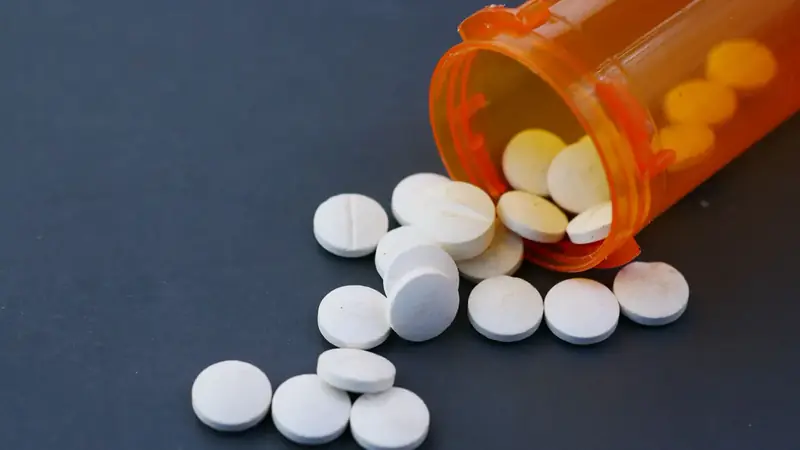
Photo: Towfiqu barbhuiya / Pexels
Frequently asked questions
Should I stop taking atorvastatin if my bottle is recalled?
No — not on your own. FDA's standing guidance for recalled medicines is that consumers can generally continue taking the medicine unless the recalling company provides other instructions, and the agency notes that in some instances stopping a medicine may be more harmful than continuing to take the recalled one. In the 2012 atorvastatin recall, FDA told patients who had the recalled medicine that they could continue taking it unless directed otherwise by their physician. Call your pharmacist or prescriber the same day you learn of the recall — they will confirm the lot and replace it with unaffected stock.
How do I find the NDC and lot number for my atorvastatin?
The NDC is printed on your pharmacy label or on the manufacturer's stock bottle. It has three segments: the labeler code identifies the company, the product code identifies the strength and form, and the package code identifies the bottle size. The lot number is printed on the manufacturer's packaging and often does not appear on a pharmacy vial — your pharmacy recorded the lot when it filled your prescription and can check your exact fill.
Why was atorvastatin recalled?
The documented causes are manufacturing quality defects, not a problem with the drug itself: tablets that failed dissolution specifications in 2025 recalls by Ascend Laboratories and Biocon Pharma, possible tiny glass particles in Ranbaxy's 2012 recall, and a 2014 recall after a pharmacist found a wrong-strength tablet in a labeled bottle. Each recall named one manufacturer, specific strengths and specific lots — never atorvastatin as a whole.
Does an atorvastatin recall include Lipitor and every other version of the drug?
No. FDA recalls name a specific labeler, strengths and lots. The 2025 Ascend recall covered only Ascend-distributed tablets manufactured by Alkem; the 2012 Ranbaxy recall did not include even Ranbaxy's own 80 mg strength. Brand-name Lipitor and other manufacturers' atorvastatin were not part of those recalls — which is why the manufacturer printed on your label is the first thing to check.
Written by
Michael Gonzales
Founder & Editor
Michael Gonzales is the founder of Cloudalien Technologies, the company behind ConsumerSun. He built ConsumerSun so anyone can check the products they already own against official recall records from the CPSC, FDA and NHTSA — and get an alert when something in their home is recalled.