
Guide · Oct 22, 2026
Blood pressure medication recalls: current notices and how to check your pills
Most blood pressure drug recalls cover specific lots from one manufacturer — not the medicine itself. Here is why these drugs get recalled, how to match your bottle against an FDA notice, and why the first move is a call to your pharmacist, not stopping your pills.
By Michael Gonzales · Last updated
Current status
4860 recalls across all categories in the current federal dataset. Most recent: Wedgewood Pharmacy, LLC.: Compounded veterinary medications (Oct 21, 2026).
Data as of Oct 22, 2026, 8:53 AM EDT · Browse the full recall list
Start with the rule: do not stop on your own
When a headline says a blood pressure medication has been recalled, the natural instinct is to stop taking it that morning. FDA's guidance for these drugs is the opposite. In its statements on the largest blood pressure recalls, the agency told patients taking a medicine from a recalled lot to continue taking their medicine until their doctor or pharmacist provides a replacement or a different treatment option — and to speak to their pharmacist or doctor promptly if they have not already. FDA's reasoning is plain: the risks of abruptly discontinuing these medicines, including stroke, far outweigh the low risk associated with continuing a medicine that carries the impurities behind those recalls.
So the order of operations for any drug recall is: keep taking your medicine, check whether your specific bottle is actually affected, and call your pharmacist the same day. The rest of this page is about step two — because most people who hear about a blood pressure drug recall are not in it.
Why these drugs get recalled: the nitrosamine story
One cause accounts for most of the major blood pressure drug recalls of the past decade: nitrosamine impurities. Nitrosamines are chemical compounds that can form during drug manufacturing, and FDA treats some of them as probable human carcinogens — a concern at exposures above the agency's limits over long periods. That is why FDA sets acceptable daily intake limits for nitrosamines in drug products. When testing finds a nitrosamine above the limit, FDA works with the manufacturer to recall the affected lots.
The episode that defined this category began in July 2018, when FDA announced voluntary recalls of several valsartan products after the impurity NDMA was found in active ingredient manufactured by Zhejiang Huahai Pharmaceuticals in China; FDA believed the NDMA was related to changes in the way the active substance was manufactured. Over the following months the recalls widened. Two related nitrosamines, NDEA and NMBA, were found in some lots of losartan and irbesartan as well, and products containing nitrosamines above FDA's interim acceptable intake limits were recalled. FDA went on to test all ARBs for nitrosamine impurities, and published — and kept updating — lists of the products included in the recalls alongside lists of ARB medicines in which no nitrosamines had been detected.
Two parts of FDA's own framing are worth keeping. First, the agency's analyses of the recalled valsartan found that the overall risk to individual patients was very low. Its standing benchmark: a person taking a drug that contains nitrosamines at or below the acceptable daily intake limits every day for 70 years is not expected to have an increased risk of cancer. Second, the recalls were drawn at the limit line — products at or below the limits stayed on the market. A recall here is the system enforcing a conservative threshold, not proof that everyone who took the pills was harmed.
Nitrosamines are the recurring cause for this drug class, not the only cause of drug recalls generally — recalls also happen for mislabeling, contamination and manufacturing defects, and the notice always states the reason. But for blood pressure medicines, this is the history behind the headlines.
The drug classes involved
The nitrosamine recalls centered on one class: the angiotensin II receptor blockers, or ARBs — medicines whose generic names end in "-sartan." The three ARBs named in FDA's recall announcements were:
- Valsartan — the first recalled, in July 2018, including combination products that pair it with hydrochlorothiazide.
- Losartan — recalled lots followed, first for NDEA and later for NMBA found in the active ingredient.
- Irbesartan — recalled lots for NDEA.
FDA was explicit throughout that not all ARBs contain nitrosamine impurities, and not every manufacturer's version of even these three drugs was recalled — the recalls were tied to specific ingredient suppliers and specific lots. Other ARBs, and other blood pressure drug classes entirely, were not part of those recalls. Which is why no headline, by itself, can tell you whether your prescription is affected. Only the identifiers on your bottle can do that.
How to check your bottle
An FDA drug recall notice identifies products by manufacturer, product name and strength, lot number, and usually the NDC — the National Drug Code. Your job is to match those fields, all of them, not just the drug name.
| What to match | Where you find it |
|---|---|
| Drug name and strength | Your pharmacy label, exactly as dispensed — for example "Losartan Potassium 50 mg" |
| Manufacturer | Printed on the pharmacy label, often as "Mfr:" followed by the company name. This is who made your tablets, and it decides whether the recall can apply to you at all |
| NDC number | On the pharmacy label or the manufacturer's stock bottle. The notice lists the NDCs of the recalled products |
| Lot number | On the manufacturer's packaging. It may not appear on your pharmacy vial — your pharmacy recorded the lot when it filled your prescription and can confirm it |
| Expiration date | On the label. Some notices scope a recall to lots expiring before a stated date |
Work through it in order. If the manufacturer on your label is not the company named in the notice, your bottle is not part of that recall — stop there. If the manufacturer matches, check the strength and NDC, then the lot. If you cannot find the lot number, call the pharmacy that filled the prescription; the lot for your exact fill is in their dispensing records, and this is the fastest route to a definitive answer. Our general walkthrough of checking any product you own applies the same match-the-codes method to everything else in the house.
One habit FDA itself recommended during the ARB recalls: check more than once. The recall lists grew as testing continued, and a product not listed one week could be added later. The current drug and product notices on this site are the page to re-check rather than relying on an old headline.
If your bottle matches
- Keep taking your medicine until a replacement is in hand. Per FDA's guidance above: do not stop a blood pressure medicine on your own.
- Call your pharmacist the same day. Give them the drug, strength, manufacturer and lot from your label so they can confirm the match against the notice.
- Get a replacement supply. Usually that is the same medicine from an unaffected lot or a different manufacturer, dispensed by your pharmacy. If supply is tight — the ARB recalls caused real shortages — your pharmacist will bring in your prescriber to choose a different treatment option.
- Follow the notice on what to do with the recalled pills. FDA notices state the disposition, often return to the pharmacy. Do not keep taking a recalled lot once your replacement starts.
- Ask about your refills. Confirm that future fills will come from unaffected stock, so the next bottle is not a surprise.
How FDA posts a drug recall
Two FDA channels matter, and they are not the same list. The Recalls, Market Withdrawals, & Safety Alerts page is where FDA posts company recall announcements as a public service — that is the page news stories link to, with the plain-language product description and instructions. The Enforcement Reports are FDA's official record: a weekly listing of every recall the agency monitors, published once the recall has been classified Class I, II or III. A recall can appear as a company announcement days before its Enforcement Report entry, and the entry is where the classification and the full lot detail land.
Nearly all drug recalls are voluntary — initiated by the company, sometimes after FDA raises a concern — with FDA overseeing the recall strategy, classifying the hazard and assessing whether the recall is adequate. That machinery stands behind every notice this hub tracks: the company announcement for what to do today, the Enforcement Report for the complete and classified record.
Recall history, impurity limits and patient guidance checked October 22, 2026 against FDA press announcements, FDA ARB recall updates and FDA Enforcement Reports. The FDA notice for your product is always the final word — and for the bottle in your hand, so is your pharmacist.
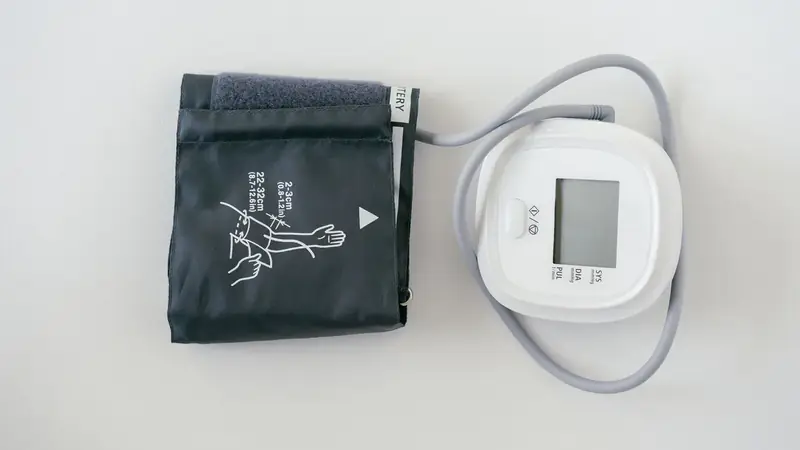
Photo: Mikhail Nilov / Pexels
Frequently asked questions
Should I stop taking my blood pressure medicine if it's recalled?
No. FDA's guidance on recalled blood pressure medicines is to keep taking your current medicine until your pharmacist gives you a replacement or your prescriber switches you to a different treatment option. FDA has said the risks of abruptly discontinuing these medicines, such as stroke, far outweigh the low risk from the impurities that triggered the largest recalls. Call your pharmacist or prescriber the same day you learn of the recall.
How do I know if my bottle is part of a recall?
Match three things against the FDA notice, not just the drug name: the manufacturer printed on your pharmacy label, the NDC number, and the lot number. Recalls are almost always limited to certain lots from one manufacturer, so the same drug from a different company is usually not affected. If the lot number is not on your vial, your pharmacy recorded it when filling your prescription and can check your exact fill.
Why do blood pressure medicines keep getting recalled?
The recurring cause since 2018 is nitrosamine impurities — NDMA, NDEA and NMBA — found in certain angiotensin II receptor blockers (ARBs) such as valsartan, losartan and irbesartan. FDA sets acceptable daily intake limits for these impurities; when testing finds a product above the limit, FDA works with the manufacturer to recall the affected lots.
Does a recall mean every pill of that drug is affected?
No. FDA's ARB recall pages stress that not all products in the class contain nitrosamine impurities, and each recall names specific manufacturers, strengths and lots. FDA also found the overall risk to individual patients from the recalled valsartan was very low — the recalls enforce the agency's impurity limits; they are not a judgment that the medicine itself is dangerous.
Written by
Michael Gonzales
Founder & Editor
Michael Gonzales is the founder of Cloudalien Technologies, the company behind ConsumerSun. He built ConsumerSun so anyone can check the products they already own against official recall records from the CPSC, FDA and NHTSA — and get an alert when something in their home is recalled.