
Guide · Nov 18, 2026
Is a home warranty worth it? Fees, limits and what it really covers
When a home warranty pays off and when it doesn't, how it differs from insurance and recalls, and the fees, caps and exclusions to check before you sign.
By Michael Gonzales · Last updated
Current status
665 home product recalls in the current federal dataset. Most recent: Allstar Recalls Sharper Image Tabletop and Infinity Fire Pits Due to Risk of Serious Injury from Burn and Fire Hazards (Nov 12, 2026).
Data as of Nov 18, 2026, 7:29 PM EST · Browse all home product recalls
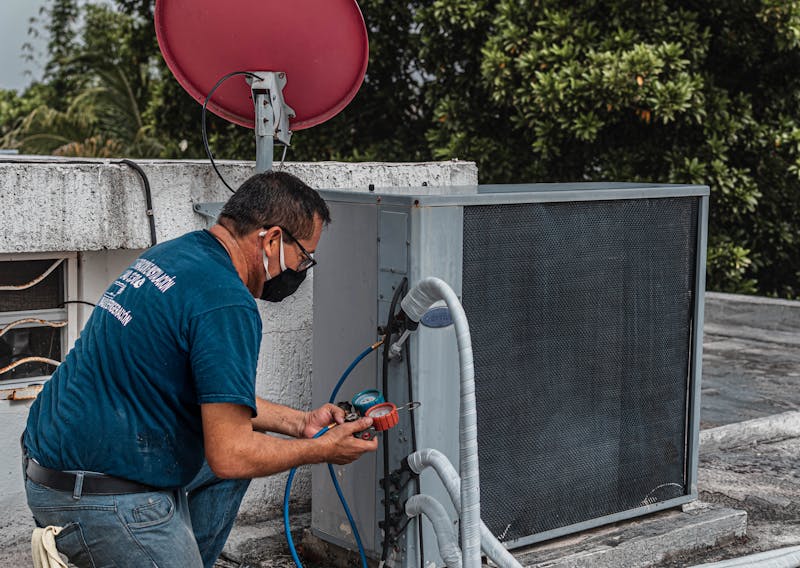
Short answer: A home warranty is worth it when an older appliance or system is likely to fail in the next year and you couldn't comfortably pay for the repair. It isn't when your things are new and under the maker's warranty, or you have savings set aside for repairs. The fine print (fees, caps and exclusions) decides the rest.
Last checked October 21, 2026 against the FTC, the California Department of Insurance, Texas TDLR and Choice Home Warranty's published FAQ, coverage page and user agreement.
Want a real number for your house? Get a free quote from Choice Home Warranty. Then run that price through the math and the fine-print checklist below before you sign anything.
What is a home warranty, really?
A home warranty is a service contract, not insurance and not a true warranty. The FTC puts "home warranties" in quotes and says they're really service contracts. They cost extra, they last for a set period, and they typically cover repairs and replacements for things like appliances or air conditioning.
Choice Home Warranty says the same thing in its own fine print: "CHW offers service contracts which are not warranties."
States regulate them. In California they're called home protection contracts and the Department of Insurance licenses the companies. In Texas, the Texas Department of Licensing and Regulation (TDLR) licenses them as residential service companies.
How is it different from insurance, a maker's warranty or a recall?
These four get mixed up all the time, and each one pays for something different.
| Coverage | What it pays for, who pays and a typical example |
|---|---|
| Home warranty | Pays for: repair or replacement of covered systems and appliances that wear out. Who pays: you (or a home seller or agent at closing). Example: the water heater quits after 12 years. |
| Homeowners insurance | Pays for: damage from sudden events like fire, plus your liability. Who pays: you. Example: a kitchen fire damages cabinets and appliances. |
| Manufacturer's warranty | Pays for: defects in a new product for a set time. Who pays: included with the product. Example: a 1-year-old dishwasher's pump fails. |
| Recall | Pays for: a safety remedy (refund, repair or replacement) spelled out on the notice. Who pays: the company that recalled the product. Example: an appliance is recalled for a fire hazard. |
The Insurance Information Institute says maintenance problems are the homeowner's responsibility under a standard homeowners policy. The California Department of Insurance says home warranties "do not overlap or replace" a homeowners policy. So one doesn't stand in for the other.
When is a home warranty worth it?
It tends to make sense when most of these are true:
- Your systems and appliances are older. Choice says the age of a home or its appliances doesn't matter, as long as items are in good working order and properly maintained.
- A surprise repair bill would really hurt. The plan turns a big unknown into a known yearly cost plus a fee per visit.
- You'd rather not find a contractor yourself. The company sends one.
- You're buying a home and the seller is paying for it. Then the math is easy.
It usually isn't worth it when:
- Everything is new. Choice's agreement says it isn't responsible for items still under an existing manufacturer's or distributor's warranty.
- You have a repair fund. The FTC points out that putting money aside in a savings account can be a better way to pay for future repairs.
- The plan covers things you don't own. The California Department of Insurance gives the example of paying for air conditioning or pool coverage you don't need.
How do I do the math on a home warranty?
Compare what you'd pay with the plan against what you'd likely pay without it over one year. Use a quote for your own home: Choice's plan pages don't list prices, and you get one through its free quote form.
| Line | With a home warranty | Without one |
|---|---|---|
| Up front | Your plan price for the year | $0 |
| Each repair visit | The service fee on your contract | The repair company's diagnosis and repair bill |
| Big failures | Covered up to the plan's caps | The full repair or replacement cost |
| Things the plan excludes | You pay | You pay |
Here's a quick way to think about it. Add the plan price to the service fee times the number of visits you expect. If that total is more than the repairs you'd realistically face in a year, the plan costs you money. If one likely failure (an old furnace, say) would cost more than that total and is covered, the plan can pay off.
Choice's FAQ lists a $100 trade service call fee per claim, and says it may be lower with discounts. Your contract's Coverage Details page shows your actual fee.
What's in the fine print?
California's Department of Insurance warns that many buyers only discover the exclusions when they file a claim and it's denied. The FTC says to check reimbursement limits, cancellation fees and how slow the claims process is. Here's what Choice's published user agreement and FAQ say, as one real example (read October 21, 2026):
| Term | What Choice's documents say |
|---|---|
| Waiting period | Coverage starts 30 days after the agreement fee is received (sooner with proof of prior coverage and no lapse) |
| Contract length | Typically 365 days |
| Service fee | $100 per claim in the FAQ; your exact fee is on your Coverage Details page |
| Dollar cap | $3,000 per covered item per 12-month period, unless a lower limit applies |
| Access | Up to $500 to open walls, ceilings, floors or concrete, returned to a rough finish |
| Pre-existing problems | Known or unknown pre-existing conditions aren't covered |
| Code and permits | Not responsible for code upgrades or permit costs |
| Recalls | Not responsible for repairs arising from a manufacturer's recall or defect |
| Cash instead of repair | May pay cash at Choice's own cost, which "at times may be less than retail" |
| Renewal | May renew automatically to a monthly plan at the current rate unless you cancel |
| Cancelling | Within 30 days: refund of the fee paid, minus service costs. After that: pro rata refund minus service costs, plus an administrative fee of up to $50 where the law allows (you can owe money if service costs exceed the refund) |
| Response | Starts contacting service providers within 4 hours; it can take more than 48 hours for one to accept |
| Disputes | Mandatory binding arbitration through the American Arbitration Association, with a class action waiver |
State-specific rules change some of these terms, so read the section for your state.
What does Choice Home Warranty cover?
Choice says a typical plan covers heating systems and ducts, plumbing, electrical, water heaters, kitchen appliances (oven, range, cooktop, dishwasher and built-in microwave), the garbage disposal, whirlpool tub, plumbing stoppages, garage door opener and ceiling and exhaust fans.
Its Total Plan adds:
- Air conditioning
- Refrigerator
- Clothes washer
- Clothes dryer
Optional add-ons include pool and spa, well pump, sump pump, central vacuum, limited roof leak, septic system and pumping, and a second refrigerator or stand-alone freezer. Each covered item still has its own exclusions, so check the agreement for the things you care about most. You can see the plans and get a quote from Choice Home Warranty.
What questions should I ask before I buy?
Texas TDLR publishes a good list. These are the ones that matter most:
- How much will the plan cost, and how long does it last?
- What specific items does it cover, and what's excluded?
- Is there a limit to how much the company will pay?
- Would a pre-existing condition void coverage?
- Is there a fee for service calls?
- Who decides which company makes the repair, and how fast?
- Will the plan replace an item that can't be repaired?
Also check the company's license with your state (California and Texas both let you look it up), and search the company name with "complaint," as the FTC suggests.
Does a home warranty cover recalled appliances?
No. A recall remedy (refund, repair or replacement) comes from the company named on the recall notice, whether or not you have a plan. Choice's agreement says it isn't responsible for repairs arising from a manufacturer's recall, or for items still under the maker's warranty.
So before you file a claim on a broken appliance, take two minutes to check whether it's been recalled and look up its maker's warranty. If it's recalled, our guide to getting a refund for a recalled product walks you through the next step. Browse current home product recalls, and register your appliances so the maker can reach you if one is recalled later.
What if my claim is denied?
Start with the company's appeal process and keep every invoice and email. If that fails:
- California: the Department of Insurance takes requests for assistance at 1-800-927-4357.
- Texas: TDLR handles complaints about residential service companies.
- Anywhere: report it to the FTC at ReportFraud.ftc.gov or to your state attorney general.
Sources:
- FTC: So what's the deal with "home warranties"? (Feb. 24, 2023)
- FTC: Extended Warranties and Service Contracts
- California Department of Insurance: Home Protection Contracts
- Texas TDLR: Residential Service Companies (Home Warranties)
- Insurance Information Institute: What is homeowners insurance?
- Choice Home Warranty: Frequently Asked Questions (read Oct. 21, 2026)
- Choice Home Warranty: What's Covered (read Oct. 21, 2026)
- Choice Home Warranty: User Agreement (read Oct. 21, 2026)
Photo: José Andrés Pacheco Cortes / Pexels
ConsumerSun is not affiliated with the FTC, CPSC or any state regulator. Always confirm terms in the contract you're offered. This page is information, not legal or financial advice. Editorial policy
Frequently asked questions
Are home warranty plans a rip-off?
Not by definition, but many people get less than they expect. The FTC says a home warranty can duplicate coverage you already have, cover only part of a product, or make repairs hard to get. Compare the price, per-visit fee, dollar caps and exclusions with what you would likely spend on repairs.
What is a red flag on a home warranty?
Watch for low dollar caps, a long exclusions list, no coverage for pre-existing conditions, automatic renewal, cancellation fees and mandatory arbitration. Also check that the company is licensed in your state and search its name with the word complaint, as the FTC suggests.
Does a home warranty cover a garbage disposal?
Often, yes. Choice Home Warranty lists the garbage disposal on its typical plan, alongside heating, plumbing, electrical, water heaters and built-in kitchen appliances. Exclusions still apply, so check the contract.
Is a home warranty the same as homeowners insurance?
No. Homeowners insurance pays for damage from sudden events like fire, plus liability. A home warranty pays for repairs to systems and appliances that wear out. The California Department of Insurance says the two do not overlap or replace each other.
When does home warranty coverage start?
It depends on the company. Choice Home Warranty says coverage begins 30 days after enrollment and payment, or sooner if you show prior coverage with no lapse, and typically runs 365 days.
Can I cancel a home warranty?
Usually. Choice Home Warranty's agreement lets you cancel at any time. Within 30 days you get the fee back minus service costs; after that it is a pro rata refund minus service costs and an administrative fee of up to 50 dollars where allowed.
Written by
Michael Gonzales
Founder & Editor
Michael Gonzales is the founder of Cloudalien Technologies, the company behind ConsumerSun. He built ConsumerSun so anyone can check the products they already own against official recall records from the CPSC, FDA, USDA FSIS and NHTSA, and get an alert when something in their home is recalled.